Category: Home Energy Journal

  • Planning a Residential Solar Carport

    Planning a Residential Solar Carport

    Planning a Residential Solar Carport

    Learn what to check when planning a residential solar carport, from driveway clearance and shade to electrical routing and EV charging.
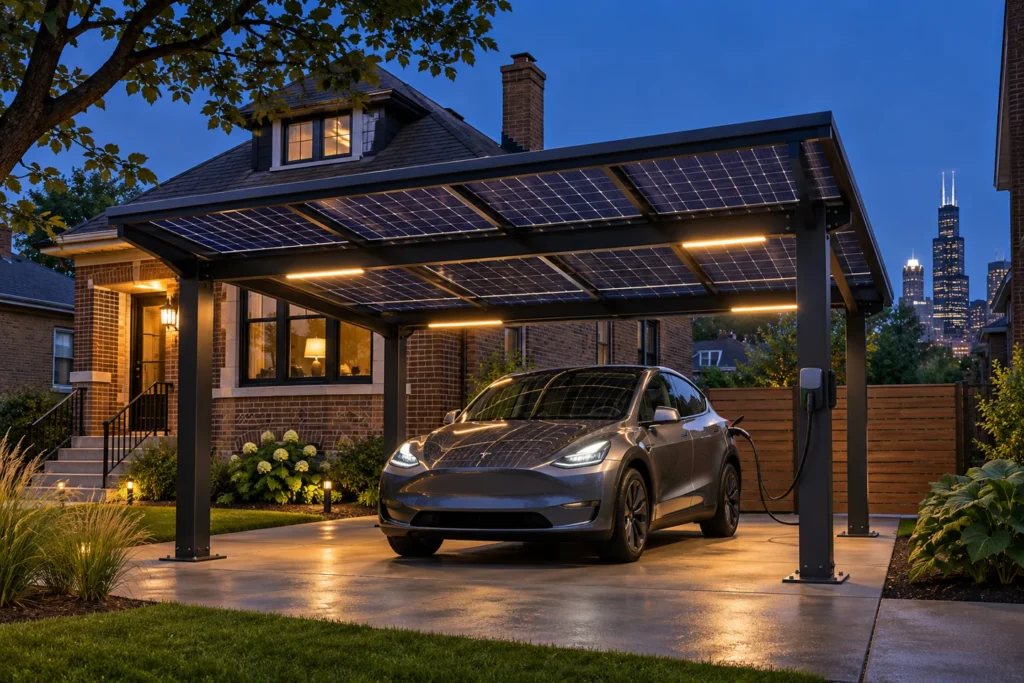
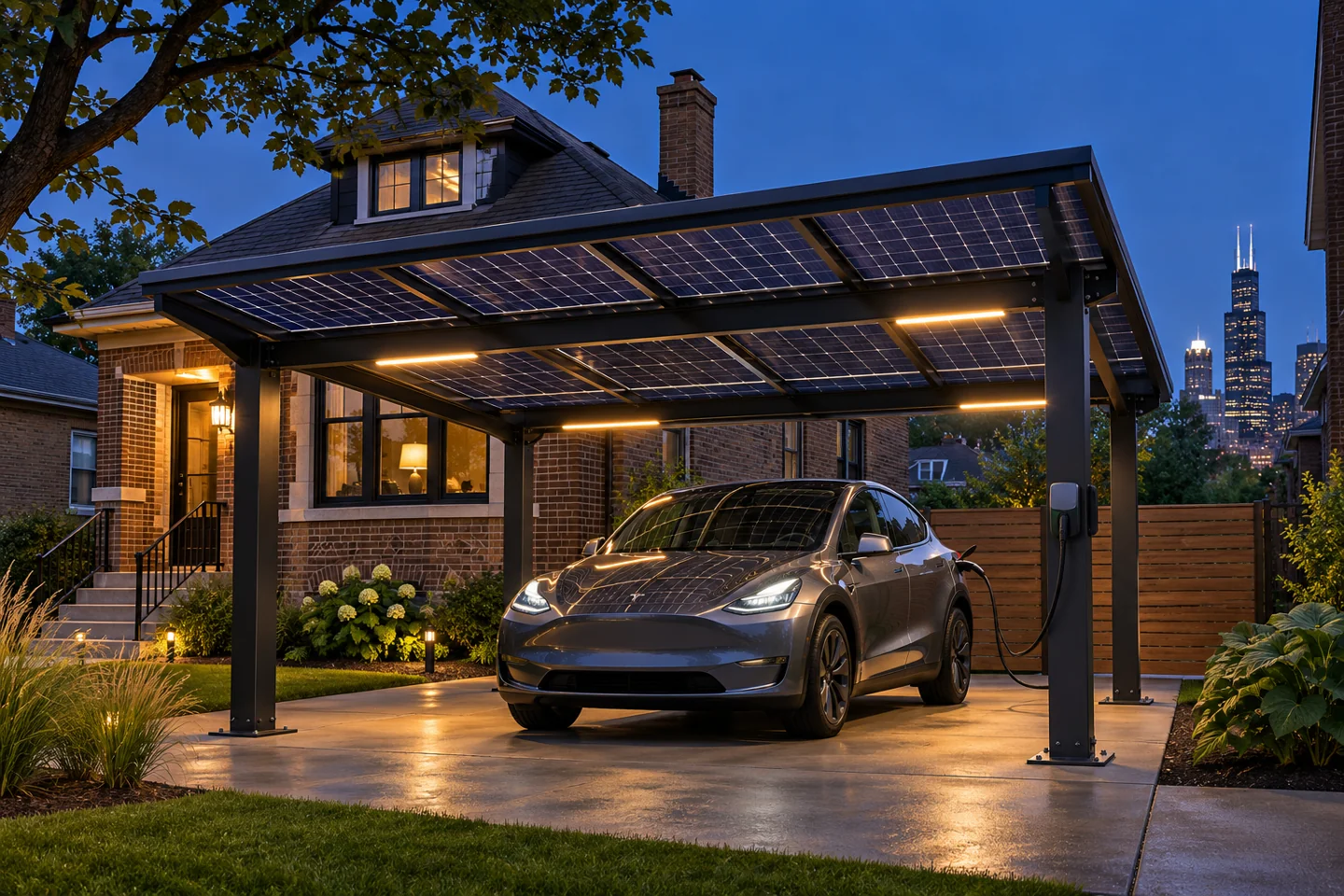
    Electric vehicle parked beneath a steel solar carport at dusk

    Start with the parking layout

    Mark where vehicles enter, turn, park and open their doors. Leave room for taller vehicles, storage access and snow removal. These details help establish where the columns and canopy might go before any solar production estimate is made.

    Evaluate sun and structure together

    A canopy can put panels over parking space when the main roof is shaded or crowded. Driveway shade still matters. Ask the designer to evaluate sun exposure, structural requirements, drainage and available space together. An installer can also explain what local reviews and permissions apply to the site.

    Plan electrical routing early

    If EV charging is part of the project, consider where the car’s charging port sits and how equipment could be reached. Raise solar, charger and future electrical needs together when discussing routing and capacity. Ask the installer what the design assumes about electricity usage and when the system is expected to produce power.

    Home EV charging

    Park, plug in and leave the cable within easy reach. A home charger works best when its location fits the way you actually park.

    Start with the parking spot

    Note which side of the car has the charging port and how you pull into the garage. The cable needs a clear route without crossing the usual walking path.

    What goes into your estimate

    A site review covers the charger location, the route from the electrical panel and the charging equipment suited to your vehicle.

    Get a Free Estimate

    Rooftop solar

    The right layout starts with the shape of your roof and how sunlight reaches it through the day.

    Read the roof

    Usable roof space, shade from nearby trees and the condition of the roof all shape where panels can go.

    Plan around your home

    Bring recent electricity bills and roof photos to your project review so the proposed system reflects how your household uses power.

    Get a Free Estimate

    Standby generators

    A standby generator can supply the circuits you choose during an outage. The starting point is deciding what your household needs to keep running.

    Choose your essentials

    Refrigeration, the sump pump and selected heating equipment often come first. Write down the appliances and rooms that matter to you.

    Find the right fit

    Ask your installer to review the loads, fuel supply, transfer equipment and available outdoor space together.

    Get a Free Estimate

    Solar carports

    If the house roof has limited usable space, a solar canopy can place the panels over a parking area.

    Start in the driveway

    Measure the parking area and think about how you enter and leave the space. Photos of trees and neighboring buildings help with the initial shade review.

    Plan the whole installation

    A site review looks at the canopy structure, the electrical route to the house and where a charger could fit.

    Get a Free Estimate

    The Home Energy Journal

    What Does Home EV Charging Cost?

    Two costs to compare

    Your installation quote covers equipment and labor. The electricity you use after installation shows up on your utility bill. Keeping those costs separate makes quotes easier to compare.

    Look at the cable route

    A parking space close to the electrical panel can need a different amount of work than a detached garage. Ask for the proposed route, any panel work and any permitting costs to be itemized.

    Estimate a typical month

    Use your actual monthly mileage, your vehicle’s energy use and the electricity rate on your bill. If your utility offers time-of-use pricing, compare the hours when your car is usually parked.

    Get a Free Estimate

    The Home Energy Journal

    Is Your Roof Ready for Solar?

    Check the roof timeline

    If roof replacement is already planned, discuss both projects together. It is easier to coordinate them before the modules go on.

    Look at shade through the day

    Trees, roof features and neighboring buildings can shade different parts of the roof at different times. Photos help start the conversation. A site assessment gives the installer a clearer picture.

    Bring your electricity bills

    A year of bills shows seasonal changes that a single month can hide. Together with the roof assessment, that history helps an installer propose a layout and explain the production estimate.

    Get a Free Estimate

    The Home Energy Journal

    Choosing a Home Backup Generator

    Name the circuits that matter

    Start with what you need during an outage. A refrigerator, sump pump, heating controls and a few lights lead to a different plan than running the entire home.

    Review starting loads

    Some appliances need extra power as they start. A qualified installer can check those requirements and explain which appliances the proposed system can support at the same time.

    Compare the whole project

    Ask each installer to spell out the generator, transfer equipment, fuel connection, site work and maintenance in the quote. That gives you a like-for-like comparison.

    Get a Free Estimate

    Chicago & select suburbs

    We serve homeowners in Chicago and the surrounding communities shown below. Include your city or ZIP code when you request an estimate so we can confirm service at your address.

    Get a Free Estimate
    EV Chicago Solutions

    Get a Free Estimate

    Tell us what you have in mind.

    Your request goes to the team handling estimates.

  • Is Your Roof Ready for Solar Panels?

    Is Your Roof Ready for Solar Panels?

    Is Your Roof Ready for Solar Panels?

    Check roof condition, shade, usable roof area and electricity use before planning rooftop solar for a Chicago-area home.

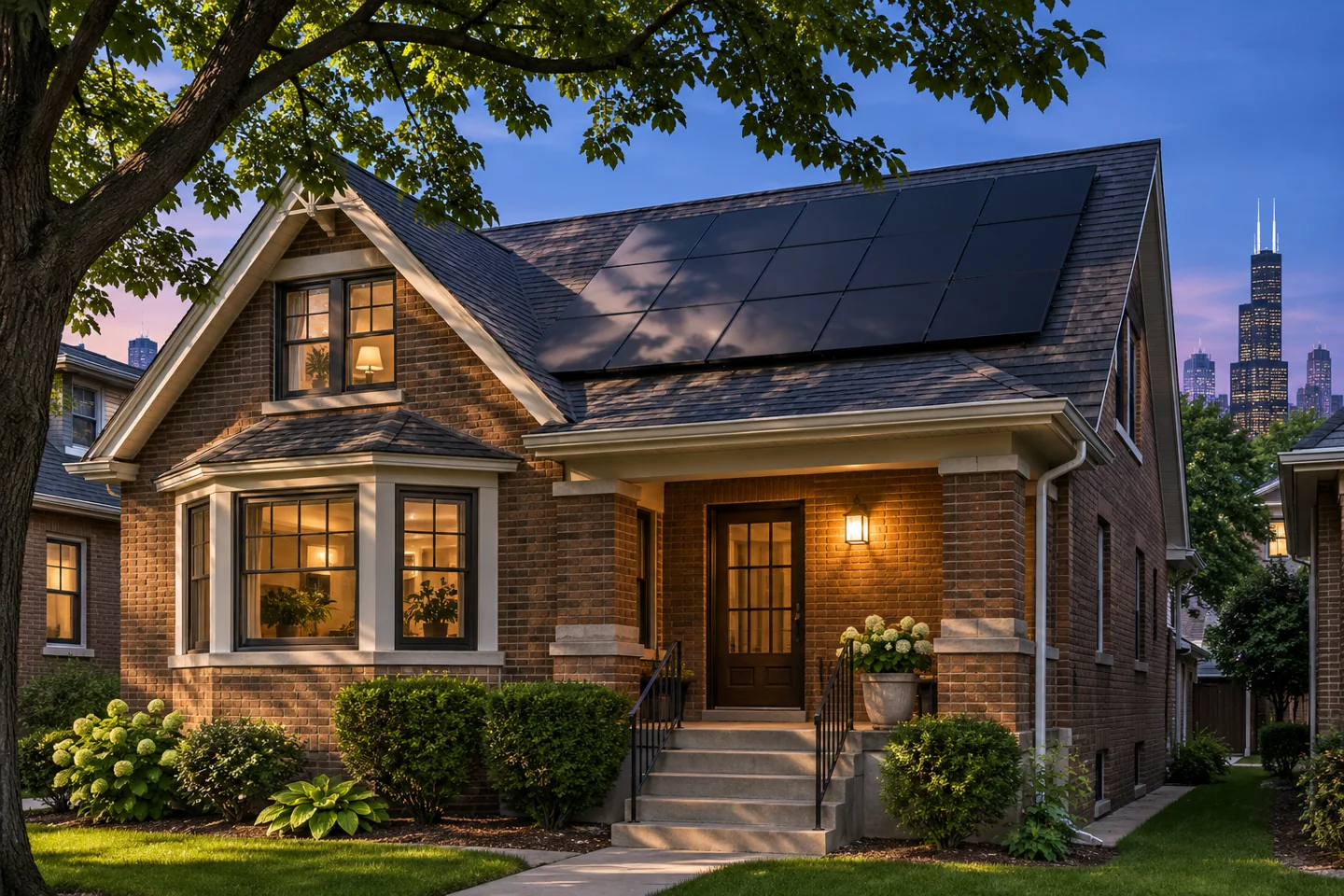
    Dark rooftop solar panels on a suburban house beside a tree

    Check the roof before sizing a system

    Start with the age and condition of the roof. If it will need work soon, ask whether roofing and solar can be coordinated. A site assessment can identify the portions of the roof that can support equipment and any areas taken up by vents, chimneys or access requirements.

    Look at shade through the year

    Trees and neighboring structures can shade different parts of the roof as the sun moves. Check more than one time of day and remember that leaf cover changes with the seasons. A professional shade assessment gives a more useful picture than a single photograph.

    Bring a year of electricity bills

    Monthly usage shows seasonality and gives the designer a starting point. Share any plans for an electric vehicle, heat pump or other new equipment. Ask what production assumptions go into the proposal and how it handles roof orientation and shading. If the main roof has little usable space, a solar carport may be worth evaluating.

    Home EV charging

    Park, plug in and leave the cable within easy reach. A home charger works best when its location fits the way you actually park.

    Start with the parking spot

    Note which side of the car has the charging port and how you pull into the garage. The cable needs a clear route without crossing the usual walking path.

    What goes into your estimate

    A site review covers the charger location, the route from the electrical panel and the charging equipment suited to your vehicle.

    Get a Free Estimate

    Rooftop solar

    The right layout starts with the shape of your roof and how sunlight reaches it through the day.

    Read the roof

    Usable roof space, shade from nearby trees and the condition of the roof all shape where panels can go.

    Plan around your home

    Bring recent electricity bills and roof photos to your project review so the proposed system reflects how your household uses power.

    Get a Free Estimate

    Standby generators

    A standby generator can supply the circuits you choose during an outage. The starting point is deciding what your household needs to keep running.

    Choose your essentials

    Refrigeration, the sump pump and selected heating equipment often come first. Write down the appliances and rooms that matter to you.

    Find the right fit

    Ask your installer to review the loads, fuel supply, transfer equipment and available outdoor space together.

    Get a Free Estimate

    Solar carports

    If the house roof has limited usable space, a solar canopy can place the panels over a parking area.

    Start in the driveway

    Measure the parking area and think about how you enter and leave the space. Photos of trees and neighboring buildings help with the initial shade review.

    Plan the whole installation

    A site review looks at the canopy structure, the electrical route to the house and where a charger could fit.

    Get a Free Estimate

    The Home Energy Journal

    What Does Home EV Charging Cost?

    Two costs to compare

    Your installation quote covers equipment and labor. The electricity you use after installation shows up on your utility bill. Keeping those costs separate makes quotes easier to compare.

    Look at the cable route

    A parking space close to the electrical panel can need a different amount of work than a detached garage. Ask for the proposed route, any panel work and any permitting costs to be itemized.

    Estimate a typical month

    Use your actual monthly mileage, your vehicle’s energy use and the electricity rate on your bill. If your utility offers time-of-use pricing, compare the hours when your car is usually parked.

    Get a Free Estimate

    The Home Energy Journal

    Is Your Roof Ready for Solar?

    Check the roof timeline

    If roof replacement is already planned, discuss both projects together. It is easier to coordinate them before the modules go on.

    Look at shade through the day

    Trees, roof features and neighboring buildings can shade different parts of the roof at different times. Photos help start the conversation. A site assessment gives the installer a clearer picture.

    Bring your electricity bills

    A year of bills shows seasonal changes that a single month can hide. Together with the roof assessment, that history helps an installer propose a layout and explain the production estimate.

    Get a Free Estimate

    The Home Energy Journal

    Choosing a Home Backup Generator

    Name the circuits that matter

    Start with what you need during an outage. A refrigerator, sump pump, heating controls and a few lights lead to a different plan than running the entire home.

    Review starting loads

    Some appliances need extra power as they start. A qualified installer can check those requirements and explain which appliances the proposed system can support at the same time.

    Compare the whole project

    Ask each installer to spell out the generator, transfer equipment, fuel connection, site work and maintenance in the quote. That gives you a like-for-like comparison.

    Get a Free Estimate

    Chicago & select suburbs

    We serve homeowners in Chicago and the surrounding communities shown below. Include your city or ZIP code when you request an estimate so we can confirm service at your address.

    Get a Free Estimate
    EV Chicago Solutions

    Get a Free Estimate

    Tell us what you have in mind.

    Your request goes to the team handling estimates.

  • How to Choose a Home Backup Generator

    How to Choose a Home Backup Generator

    How to Choose a Home Backup Generator

    Plan a residential generator around essential loads, starting demand, fuel and installation space before requesting an estimate.

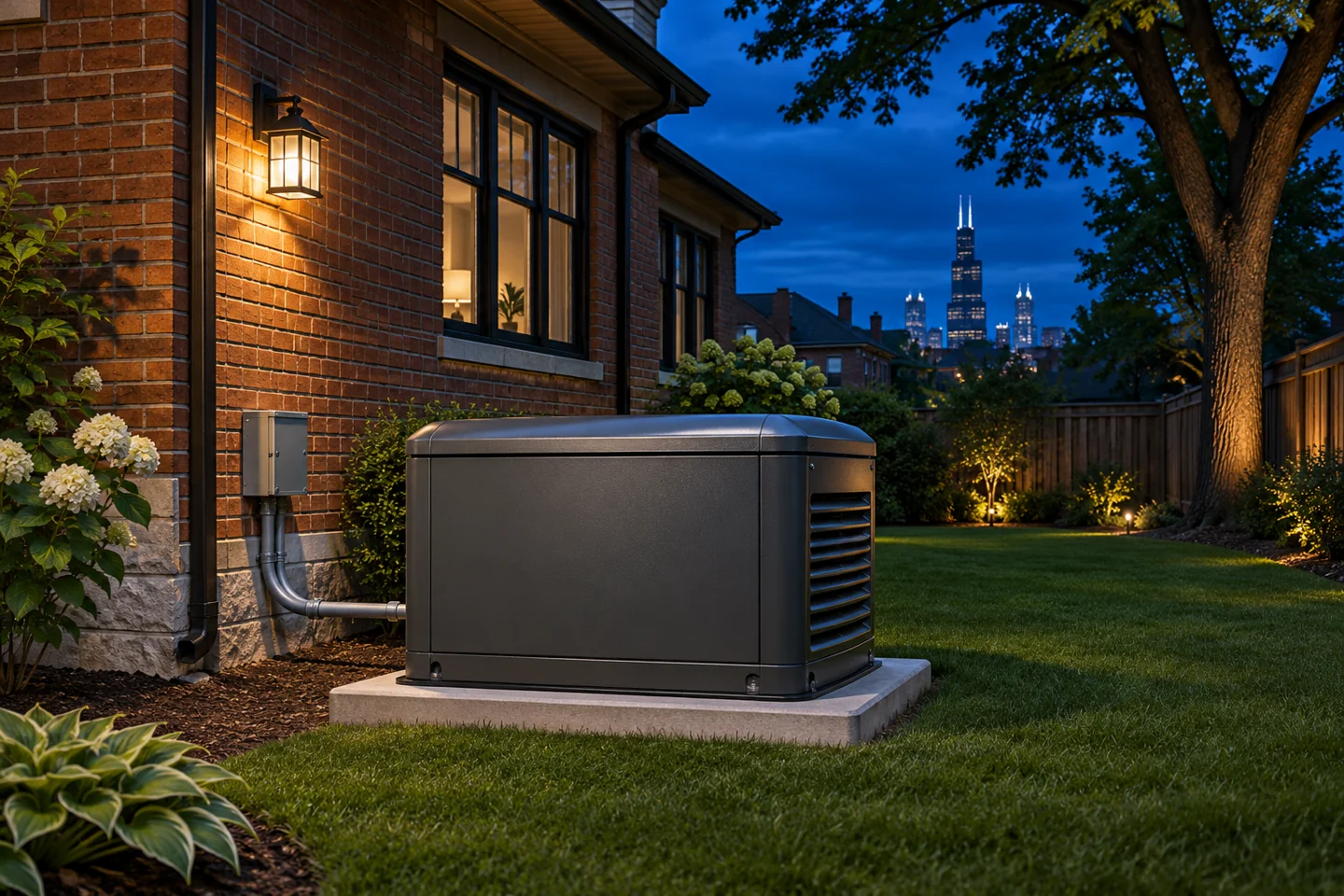
    Outdoor standby generator in a weatherproof enclosure on a residential equipment pad

    Decide what needs to stay on

    List the equipment you rely on during an outage, such as a refrigerator, sump pump and essential lighting. Decide whether you want to cover selected circuits or a broader set of loads. If anyone depends on powered medical equipment, discuss a separate outage plan with the equipment provider.

    Ask about starting loads and placement

    Some motors draw more power as they start. Share appliance and equipment information so a contractor can evaluate which loads could run together and whether load management is useful. The installation plan must also account for fuel availability, ventilation, safe clearances, and maintenance access.

    Understand standby and portable options

    A permanently installed standby system is designed as part of the home’s electrical and fuel setup. Portable generators have separate operating requirements and produce dangerous carbon monoxide. Read the CPSC guidance before considering a portable unit. For a standby project, ask the installer to explain transfer equipment, maintenance and testing at handover.

    Home EV charging

    Park, plug in and leave the cable within easy reach. A home charger works best when its location fits the way you actually park.

    Start with the parking spot

    Note which side of the car has the charging port and how you pull into the garage. The cable needs a clear route without crossing the usual walking path.

    What goes into your estimate

    A site review covers the charger location, the route from the electrical panel and the charging equipment suited to your vehicle.

    Get a Free Estimate

    Rooftop solar

    The right layout starts with the shape of your roof and how sunlight reaches it through the day.

    Read the roof

    Usable roof space, shade from nearby trees and the condition of the roof all shape where panels can go.

    Plan around your home

    Bring recent electricity bills and roof photos to your project review so the proposed system reflects how your household uses power.

    Get a Free Estimate

    Standby generators

    A standby generator can supply the circuits you choose during an outage. The starting point is deciding what your household needs to keep running.

    Choose your essentials

    Refrigeration, the sump pump and selected heating equipment often come first. Write down the appliances and rooms that matter to you.

    Find the right fit

    Ask your installer to review the loads, fuel supply, transfer equipment and available outdoor space together.

    Get a Free Estimate

    Solar carports

    If the house roof has limited usable space, a solar canopy can place the panels over a parking area.

    Start in the driveway

    Measure the parking area and think about how you enter and leave the space. Photos of trees and neighboring buildings help with the initial shade review.

    Plan the whole installation

    A site review looks at the canopy structure, the electrical route to the house and where a charger could fit.

    Get a Free Estimate

    The Home Energy Journal

    What Does Home EV Charging Cost?

    Two costs to compare

    Your installation quote covers equipment and labor. The electricity you use after installation shows up on your utility bill. Keeping those costs separate makes quotes easier to compare.

    Look at the cable route

    A parking space close to the electrical panel can need a different amount of work than a detached garage. Ask for the proposed route, any panel work and any permitting costs to be itemized.

    Estimate a typical month

    Use your actual monthly mileage, your vehicle’s energy use and the electricity rate on your bill. If your utility offers time-of-use pricing, compare the hours when your car is usually parked.

    Get a Free Estimate

    The Home Energy Journal

    Is Your Roof Ready for Solar?

    Check the roof timeline

    If roof replacement is already planned, discuss both projects together. It is easier to coordinate them before the modules go on.

    Look at shade through the day

    Trees, roof features and neighboring buildings can shade different parts of the roof at different times. Photos help start the conversation. A site assessment gives the installer a clearer picture.

    Bring your electricity bills

    A year of bills shows seasonal changes that a single month can hide. Together with the roof assessment, that history helps an installer propose a layout and explain the production estimate.

    Get a Free Estimate

    The Home Energy Journal

    Choosing a Home Backup Generator

    Name the circuits that matter

    Start with what you need during an outage. A refrigerator, sump pump, heating controls and a few lights lead to a different plan than running the entire home.

    Review starting loads

    Some appliances need extra power as they start. A qualified installer can check those requirements and explain which appliances the proposed system can support at the same time.

    Compare the whole project

    Ask each installer to spell out the generator, transfer equipment, fuel connection, site work and maintenance in the quote. That gives you a like-for-like comparison.

    Get a Free Estimate

    Chicago & select suburbs

    We serve homeowners in Chicago and the surrounding communities shown below. Include your city or ZIP code when you request an estimate so we can confirm service at your address.

    Get a Free Estimate
    EV Chicago Solutions

    Get a Free Estimate

    Tell us what you have in mind.

    Your request goes to the team handling estimates.

  • Level 1 vs Level 2 Home EV Charging

    Level 1 vs Level 2 Home EV Charging

    Level 1 vs Level 2 Home EV Charging

    Compare Level 1 and Level 2 home charging, then learn what to check before installing an EV charger at your Chicago-area home.

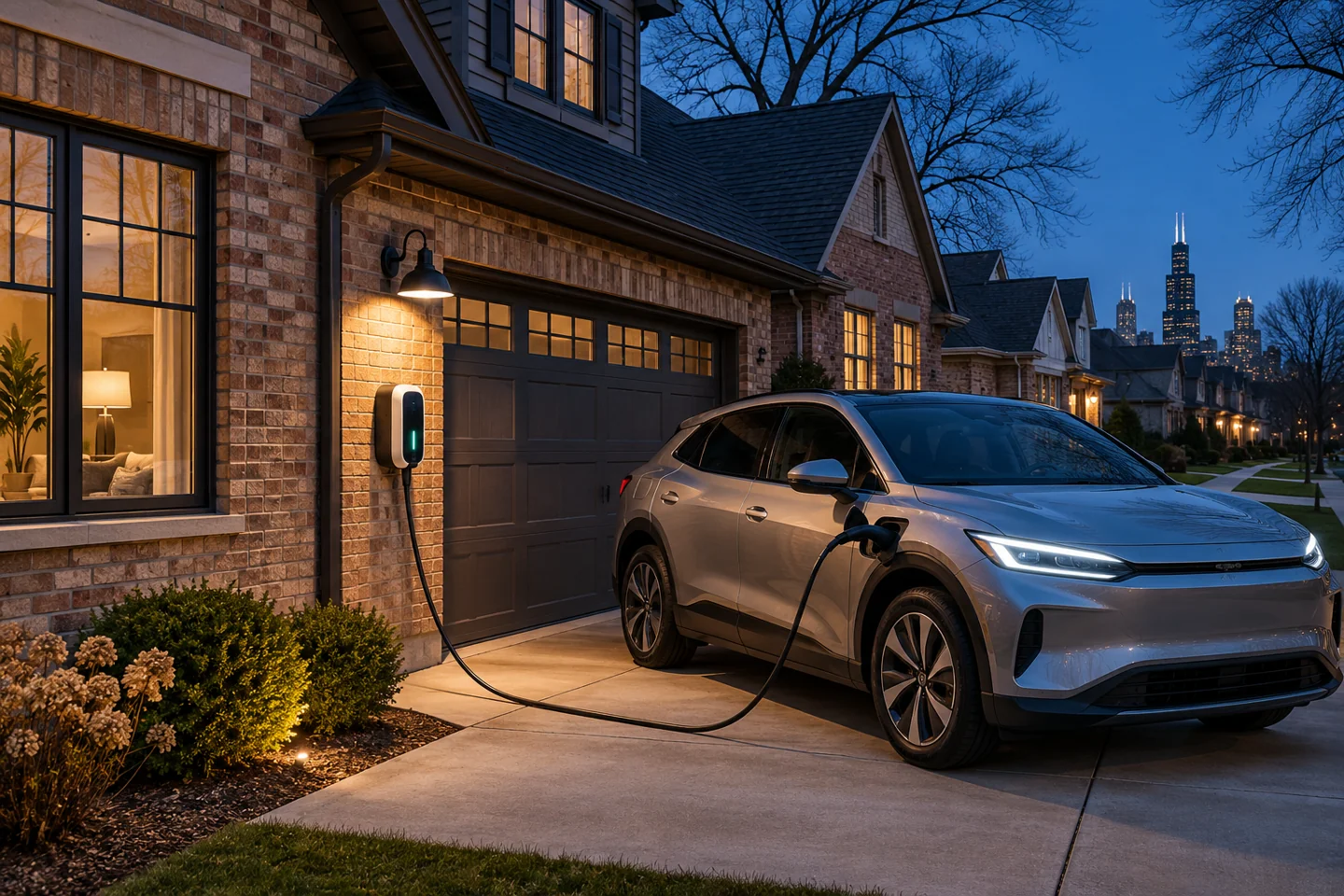
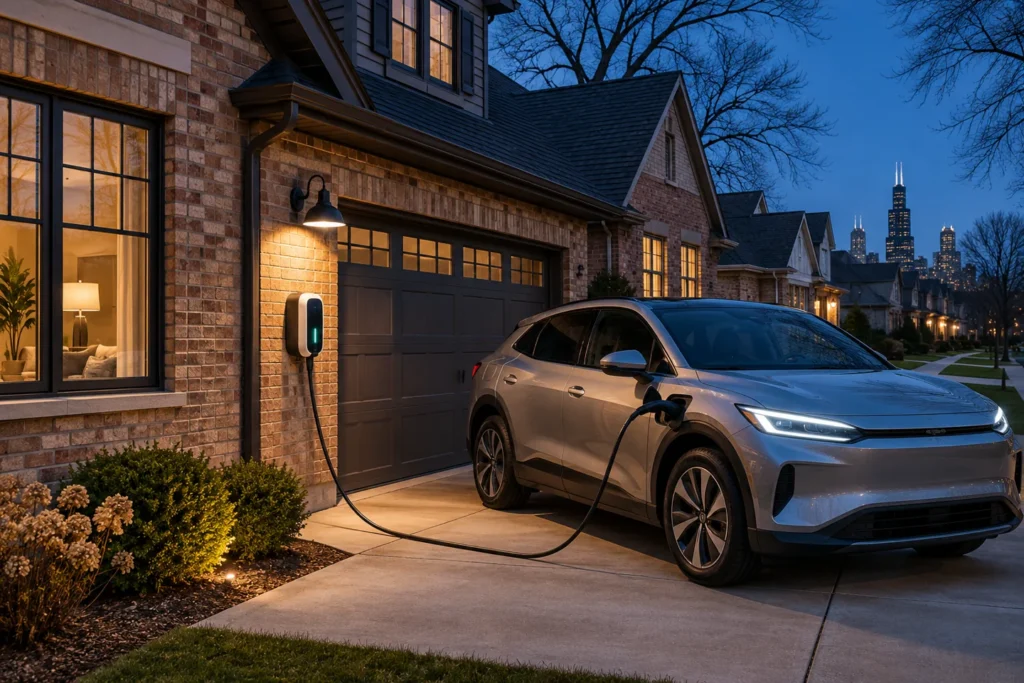
    Wall charger connected to an electric vehicle in a residential driveway at dusk

    Start with your regular driving

    Look at how many miles you usually drive, how much time the car spends parked, and how often you need to leave with a fuller battery. A modest daily commute and a long overnight window can make Level 1 workable. A second EV, shorter parking windows, or frequent longer trips can make faster charging useful.

    Compare outlet and charger options

    Level 1 uses a standard 120-volt connection. Residential Level 2 equipment uses a 240-volt supply and can recharge more quickly. Actual charging speed depends on both the vehicle and the equipment. Check your owner’s manual for connector compatibility and maximum AC charging rate before choosing a unit.

    What to have ready for a site visit

    Note where you park, which side of the vehicle has the charging port, and where the electrical panel is. A qualified contractor can assess capacity, cable routing, equipment location, and whether a hardwired unit or another configuration suits the home. If you expect to add solar later, share that when discussing the electrical plan.

    Home EV charging

    Park, plug in and leave the cable within easy reach. A home charger works best when its location fits the way you actually park.

    Start with the parking spot

    Note which side of the car has the charging port and how you pull into the garage. The cable needs a clear route without crossing the usual walking path.

    What goes into your estimate

    A site review covers the charger location, the route from the electrical panel and the charging equipment suited to your vehicle.

    Get a Free Estimate

    Rooftop solar

    The right layout starts with the shape of your roof and how sunlight reaches it through the day.

    Read the roof

    Usable roof space, shade from nearby trees and the condition of the roof all shape where panels can go.

    Plan around your home

    Bring recent electricity bills and roof photos to your project review so the proposed system reflects how your household uses power.

    Get a Free Estimate

    Standby generators

    A standby generator can supply the circuits you choose during an outage. The starting point is deciding what your household needs to keep running.

    Choose your essentials

    Refrigeration, the sump pump and selected heating equipment often come first. Write down the appliances and rooms that matter to you.

    Find the right fit

    Ask your installer to review the loads, fuel supply, transfer equipment and available outdoor space together.

    Get a Free Estimate

    Solar carports

    If the house roof has limited usable space, a solar canopy can place the panels over a parking area.

    Start in the driveway

    Measure the parking area and think about how you enter and leave the space. Photos of trees and neighboring buildings help with the initial shade review.

    Plan the whole installation

    A site review looks at the canopy structure, the electrical route to the house and where a charger could fit.

    Get a Free Estimate

    The Home Energy Journal

    What Does Home EV Charging Cost?

    Two costs to compare

    Your installation quote covers equipment and labor. The electricity you use after installation shows up on your utility bill. Keeping those costs separate makes quotes easier to compare.

    Look at the cable route

    A parking space close to the electrical panel can need a different amount of work than a detached garage. Ask for the proposed route, any panel work and any permitting costs to be itemized.

    Estimate a typical month

    Use your actual monthly mileage, your vehicle’s energy use and the electricity rate on your bill. If your utility offers time-of-use pricing, compare the hours when your car is usually parked.

    Get a Free Estimate

    The Home Energy Journal

    Is Your Roof Ready for Solar?

    Check the roof timeline

    If roof replacement is already planned, discuss both projects together. It is easier to coordinate them before the modules go on.

    Look at shade through the day

    Trees, roof features and neighboring buildings can shade different parts of the roof at different times. Photos help start the conversation. A site assessment gives the installer a clearer picture.

    Bring your electricity bills

    A year of bills shows seasonal changes that a single month can hide. Together with the roof assessment, that history helps an installer propose a layout and explain the production estimate.

    Get a Free Estimate

    The Home Energy Journal

    Choosing a Home Backup Generator

    Name the circuits that matter

    Start with what you need during an outage. A refrigerator, sump pump, heating controls and a few lights lead to a different plan than running the entire home.

    Review starting loads

    Some appliances need extra power as they start. A qualified installer can check those requirements and explain which appliances the proposed system can support at the same time.

    Compare the whole project

    Ask each installer to spell out the generator, transfer equipment, fuel connection, site work and maintenance in the quote. That gives you a like-for-like comparison.

    Get a Free Estimate

    Chicago & select suburbs

    We serve homeowners in Chicago and the surrounding communities shown below. Include your city or ZIP code when you request an estimate so we can confirm service at your address.

    Get a Free Estimate
    EV Chicago Solutions

    Get a Free Estimate

    Tell us what you have in mind.

    Your request goes to the team handling estimates.