
How to Choose a Home Backup Generator
Plan a residential generator around essential loads, starting demand, fuel and installation space before requesting an estimate.
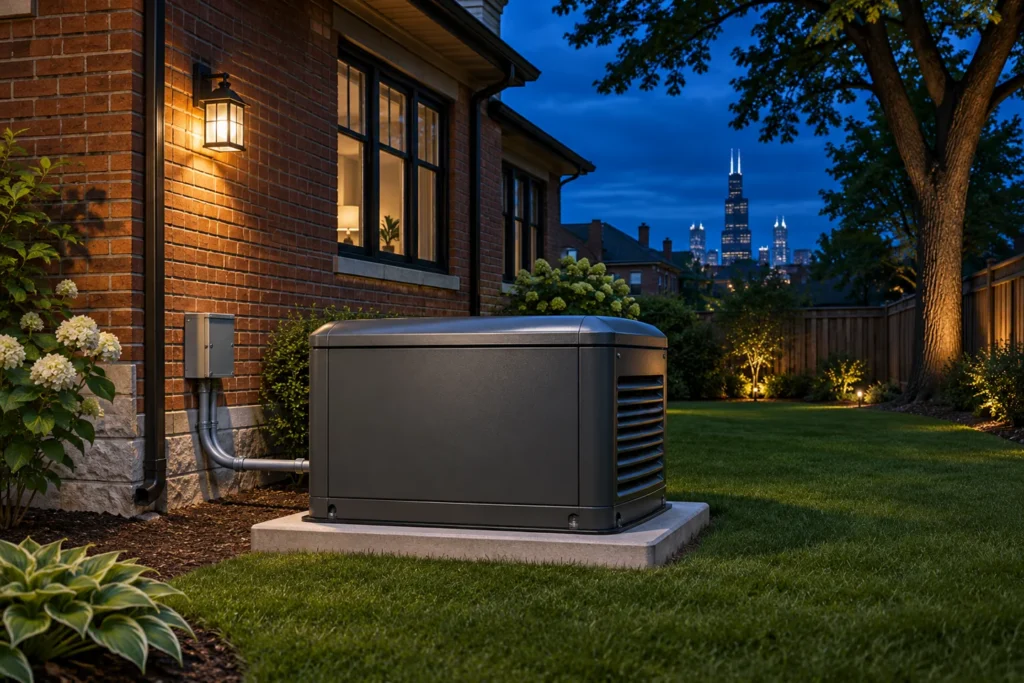
Decide what needs to stay on
List the equipment you rely on during an outage, such as a refrigerator, sump pump and essential lighting. Decide whether you want to cover selected circuits or a broader set of loads. If anyone depends on powered medical equipment, discuss a separate outage plan with the equipment provider.
Ask about starting loads and placement
Some motors draw more power as they start. Share appliance and equipment information so a contractor can evaluate which loads could run together and whether load management is useful. The installation plan must also account for fuel availability, ventilation, safe clearances, and maintenance access.
Understand standby and portable options
A permanently installed standby system is designed as part of the home’s electrical and fuel setup. Portable generators have separate operating requirements and produce dangerous carbon monoxide. Read the CPSC guidance before considering a portable unit. For a standby project, ask the installer to explain transfer equipment, maintenance and testing at handover.
Further reading: CPSC guidance on generators and carbon monoxide.
Explore Generators or read Planning a Residential Solar Carport.